


(55) 73 99 48 06

contacto@electrosafe.com.mx
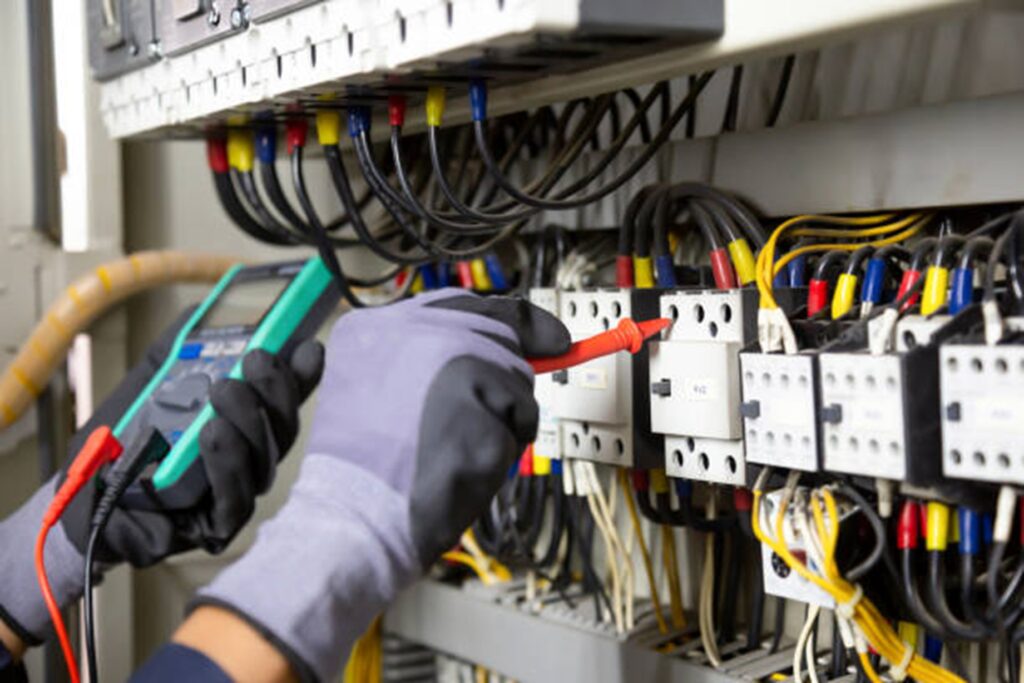
Safety in electrical tests is import to ensure the physical integrity of people and the protection of electrical equipment and systems. Electrical tests are performed to evaluate the resistance, voltage, current, and continuity of electrical systems and equipment. These tests can involve dangerous voltage and current levels, so it is essential to follow certain safety rules and regulations to prevent accidents and serious injuries.
To ensure safety in electrical testing, it is critical to follow applicable rules and regulations. NFPA 70E, for example, establishes electrical safety requirements in the workplace, including the identification of electrical hazards, the use of personal protective equipment and tools, and testing only by trained and authorized personnel. In addition, there are other specific norms and standards for electrical testing, such as IEEE 524, which establishes requirements for safety in the testing of transformers and other high-voltage equipment.
Before performing any electrical testing, it is important to conduct a risk assessment to identify potential hazards and associated risks. This may include identifying hazardous areas and taking appropriate preventive measures, such as disconnecting power and locking and labeling power switches. It is also critical to follow specific test procedures and keep test equipment in good condition and properly calibrated.

The use of personal protective equipment and tools is another critical aspect of electrical test safety. Workers should wear personal protective equipment, such as gloves and safety glasses, to protect themselves from possible injury in the event of an arc flash. In addition, proper testing tools should be used to minimize electrical risks, such as voltage testers and ammeters.
Lock-out and tag-out procedures are also essential to ensure safety in electrical testing. Workers should mark hazardous areas, label and block power switches and equipment to prevent them from accidentally turning on during testing.
In short, safety in electrical testing is crucial to avoid serious and dangerous injuries. Specific rules and regulations must be followed, risk assessments must be conducted, proper personal protective equipment and tools must be used, test equipment must be maintained in good condition, and specific testing procedures must be followed. In addition, the identification of electrical hazards, the use lock-out and tag-out procedures, and the minimization of electrical hazards are key elements in achieving safety in electrical testing. With the implementation of proper safety practices, accidents can be avoided, and the safety and well-being of workers and electrical equipment.



CONTACT INFORMATION

Heriberto Frías 1527, Col. del Valle Centro, Benito Juárez, 03104, CDMX - Office 602

contacto@electrosafe.com.mx
SUBSCRIBE TO OUR NEWSLETTER
Heriberto Frías 1527, Col. del Valle Centro, Benito Juárez, 03104, CDMX - Office 602
contacto@electrosafe.com.mx
Copyright 2023 ELECTROSAFE. All rights reserved.


